


Functional snacks are moving beyond the traditional idea of “healthy food.” Consumers increasingly want snacks that combine nutrition, convenience, great taste, attractive formats, and clear functional benefits.
In 2026, functional snacking is becoming an important area of innovation for food brands. Protein, fiber, gut health, energy, clean-label ingredients and convenient formats are among the trends shaping new product development. At the same time, consumers are looking for snacks that feel enjoyable rather than overly clinical or medicinal.
This evolution creates new opportunities for brands developing mochi, gummies, green rice snacks and other functional food products.
For brands searching for a reliable Functional Food Manufacturer, understanding these trends can help identify the right product formats, ingredients and manufacturing strategies for the next generation of snacks.
What Are Functional Snacks?
Functional snacks are food products designed to provide benefits beyond basic calories and enjoyment. Depending on the formulation, they may contain ingredients associated with nutritional or wellness-focused benefits such as vitamins, minerals, protein, fiber, collagen, botanical extracts or other functional ingredients.
Unlike traditional supplements, functional snacks integrate these ingredients into familiar and enjoyable formats.
This is an important shift in consumer behavior.
Instead of asking consumers to take another tablet or capsule every day, brands can incorporate functional ingredients into products people already enjoy eating.
Recent industry research shows that consumers increasingly expect functional nutrition to fit naturally into everyday routines. Portable formats such as gummies, jellies and other snackable products can make nutrition more convenient and easier to incorporate into daily consumption.
Why Is Functional Snacking Growing?
Several consumer trends are driving the development of functional snacks.
1. Health and Convenience Are Coming Together
Modern consumers often have busy schedules. They want products that are easy to carry, easy to consume and compatible with work, travel, exercise and everyday activities.
This makes snacks a natural delivery format for functional nutrition.
Rather than separating “healthy eating” and “snacking,” brands can create products that combine both.
2. Consumers Want More Than Protein
Protein remains one of the strongest functional nutrition trends. However, the category is expanding beyond protein alone.
Current functional snack innovation is increasingly exploring:
- Fiber
- Gut-health ingredients
- Vitamins and minerals
- Collagen
- Botanical ingredients
- Energy-supporting ingredients
- Hydration
- Cognitive and mood-related nutrition
- Targeted nutrition for different consumer groups
Spate’s 2026 functional snack research also points to growing interest in targeted benefits such as energy and sleep, alongside established ingredients such as protein and collagen.
This means future functional snacks may be less about one universal “healthy” message and more about specific consumer needs and consumption occasions.
3. Taste Still Matters
Functional food does not have to taste like medicine.
In fact, taste and enjoyment remain critical factors in snack purchasing decisions. Consumers increasingly want products that deliver a sense of indulgence while still fitting their wellness goals.
This is where formats such as mochi and gummies have an important advantage.
They can combine:
Function + Flavor + Texture + Convenience + Visual Appeal
3 Functional Snack Formats to Watch
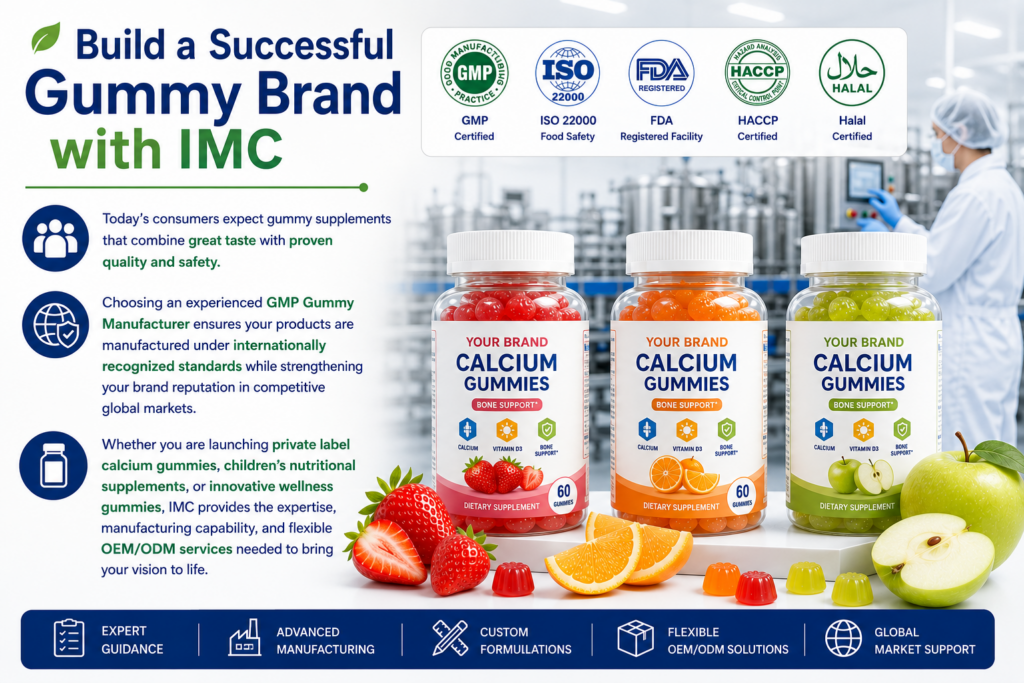
1. Functional Gummies: From Supplements to Everyday Snacks
Gummies have become one of the most recognizable formats in functional nutrition.
Their soft texture, colorful appearance, convenient portioning and wide range of flavor possibilities make them attractive to different consumer groups.
Functional gummies can be developed around different nutritional concepts, including:
- Calcium + Vitamin D3 + Vitamin K2
- Multivitamins
- Collagen + Biotin
- Vitamin C
- Magnesium
- Zinc
- Energy-focused formulas
- Sleep and relaxation concepts
- Botanical-based formulas
The category is also moving toward clean-label, plant-based, sugar-reduced and naturally flavored formulations, reflecting changing consumer expectations.
Why Gummies Have Strong Potential
For brands, gummies offer several product-development advantages.
They can be:
- Easy to portion
- Easy to consume
- Attractive for private-label products
- Suitable for multiple flavors
- Adaptable to different target audiences
- Designed with distinctive shapes and packaging
- Positioned between confectionery and functional nutrition
This makes gummies particularly suitable for brands looking to build a differentiated functional food or wellness snack line.
2. Functional Mochi: The Next Generation of Better-for-You Indulgence
Mochi represents another interesting opportunity.
Traditional mochi is associated with soft texture, rice-based ingredients and Asian food culture. As global consumers become more interested in Asian flavors and traditional food experiences, mochi can provide an opportunity to combine cultural identity with modern functional nutrition.
The future of functional mochi could include concepts such as:
- Protein-enriched mochi
- Fiber-enriched mochi
- Vitamin and mineral mochi
- Botanical ingredient mochi
- Reduced-sugar mochi
- Plant-based mochi
- Fruit-based functional fillings
- Traditional Vietnamese-inspired mochi
The opportunity is not necessarily to turn mochi into a conventional supplement.
Instead, the stronger concept may be to create “better-for-you indulgence” — a snack that feels enjoyable first while incorporating meaningful nutritional positioning.
This aligns with a broader 2026 trend in which consumers are seeking both pleasure and functionality rather than choosing between the two.
Mochi Meets Asian Food Culture
There is also a storytelling opportunity.
For international brands, Asian-inspired snacks can offer novelty and cultural differentiation. For Vietnamese food manufacturers, traditional rice-based products can be transformed into modern formats suitable for both domestic and export markets.
This creates an interesting intersection:
Traditional Ingredients → Modern Formulation → Contemporary Packaging → Global Market
3. Green Rice Products: Turning Vietnamese Tradition Into Modern Functional Snacks
Green rice, known as cốm, is strongly associated with Vietnamese culinary culture, particularly Hanoi.
Traditionally made from young green rice grains, cốm has a distinctive aroma, texture and cultural identity.
Today, green rice can potentially move beyond traditional consumption into modern snack formats such as:
- Green rice mochi
- Green rice cakes
- Green rice snack bites
- Green rice-filled confectionery
- Green rice granola-style products
- Green rice-based private-label snacks
The opportunity is especially interesting because consumers are increasingly interested in real ingredients, local sourcing, cultural authenticity and traditional flavors. Vietnam’s consumer food trends also highlight the importance of taste, convenience, real ingredients, product safety and sugar reduction.
From Traditional Food to Export Product
For Vietnamese brands, green rice products can provide more than a food product.
They can tell a story about:
Vietnamese Agriculture + Vietnamese Culture + Local Ingredients + Modern Food Innovation
This makes green rice particularly interesting for brands targeting:
- Vietnamese consumers overseas
- Asian food retailers
- Specialty food distributors
- Gift and tourism markets
- Premium snack brands
- International consumers interested in Asian flavors
The Future: Functional Snacks With Cultural Identity
One of the most interesting directions in functional food is the combination of modern nutrition with traditional ingredients and food culture.
Consumers do not necessarily want products that look like laboratory-created nutrition.
They increasingly want products with:
- Recognizable ingredients
- Authentic stories
- Enjoyable flavors
- Convenient formats
- Clear nutritional positioning
- Attractive packaging
- A sense of cultural identity
In this environment, products such as gummies, mochi and green rice snacks can offer different routes to market.
| Format | Key Opportunity | Potential Positioning |
|---|---|---|
| Gummies | Functional nutrition | Vitamins, minerals, collagen, wellness |
| Mochi | Healthy indulgence | Protein, fiber, reduced sugar, Asian-inspired |
| Green Rice Products | Cultural + natural | Vietnamese heritage, authentic ingredients, premium snacks |
What Should Brands Look for in a Functional Food Manufacturer?
Developing a successful functional snack requires more than simply choosing an attractive product format.
Brands should consider the manufacturer’s ability to support the entire product-development process.
A capable Functional Food Manufacturer should ideally provide support across:
Product Concept
Transforming a market idea into a commercially viable product concept.
Formulation & R&D
Selecting appropriate ingredients, dosage levels, flavors, textures and nutritional positioning.
Prototype Development
Testing taste, texture, appearance and product stability before commercial production.
Manufacturing
Producing consistently according to defined specifications and quality requirements.
Packaging Development
Creating packaging that protects the product while communicating its functional and brand positioning.
Private Label & OEM/ODM
Supporting brands that want to launch products under their own brand without building their own manufacturing facility.
Export-Oriented Development
For brands targeting international markets, the manufacturing partner should also understand the importance of documentation, quality systems, product specifications and market-specific requirements.
Functional Food Manufacturing: From Idea to Market
The future of functional snacks will not be defined by ingredients alone.
It will be defined by how effectively brands combine:
Consumer Need → Product Concept → Functional Ingredients → Taste → Format → Manufacturing → Branding
For example, a brand could develop a calcium gummy for adults, a collagen gummy for beauty-focused consumers, a fiber-enriched mochi for everyday snacking, or a premium green rice product designed to introduce Vietnamese flavors to international consumers.
The possibilities are expanding as consumers become more comfortable with functional ingredients in familiar food formats.

Why This Matters for Food Brands
The functional snack category offers an opportunity to create products that sit between traditional food, confectionery and nutritional products.
For emerging brands, this can create new positioning opportunities.
Instead of competing only on price or flavor, brands can compete through:
- Functional benefits
- Unique ingredients
- Cultural identity
- Texture and sensory experience
- Convenient consumption
- Clean-label positioning
- Targeted consumer needs
- Strong product storytelling
Industry research in 2026 suggests that the snack market is increasingly shaped by the combination of functionality, convenience, indulgence, nutrition and cultural or traditional elements.
This creates significant room for innovation.
Conclusion: The Next Generation of Functional Snacks
The future of functional snacks is not simply about making food healthier.
It is about making healthy choices easier, more enjoyable and more culturally relevant.
Gummies can make functional nutrition fun and convenient.
Mochi can combine indulgence with modern nutritional concepts.
Green rice products can transform Vietnamese culinary heritage into innovative products for modern consumers and international markets.
For brands exploring these opportunities, choosing the right Functional Food Manufacturer is an important step toward turning an idea into a scalable commercial product.
As functional nutrition continues to move into everyday snacking, the brands that successfully combine function, flavor, convenience and authenticity may have the strongest opportunity to stand out in the next generation of food innovation.